Imagine stepping off a double‑decker at 6 pm, earbuds in, and hearing a friend’s voice pop up on a tiny screen: “Just beat the boss, I’m joining you in 30 seconds.” Within a minute the two of you are coordinating attacks, swapping emojis, and laughing at a missed combo. That brief encounter is no longer a novelty; it’s a routine part of how many Britons keep their social circles alive after work.
Instant Communities: How Proximity Is No Longer a Barrier
In 2023, the UK saw a 28 % rise in mobile‑only gamers aged 18‑34, according to a report from the Entertainment Software Association. The surge isn’t driven by high‑end consoles but by games that run on a single smartphone and support real‑time voice chat. Titles like Clash Royale and Among Us let strangers become teammates within seconds, creating micro‑communities that exist solely in a shared session.
These groups are often formed around a single match. A player might meet a new teammate, exchange Discord handles, and then schedule a weekly “raid night.” The entire process—from first contact to recurring meet‑up—happens without ever stepping into a physical venue.
Rethinking Friendships: Quality Over Quantity
Mobile games are reshaping what “keeping in touch” looks like. Instead of a weekly text chain, friends now share a 10‑minute co‑op mission. A study by the University of York found that participants who played together at least twice a week reported a 15 % higher sense of belonging than those who only met offline.
Because the interaction is goal‑oriented, conversations stay focused and positive. When a teammate finally lands a critical hit, the shared triumph feels more rewarding than a generic “how’s your day?” exchange. The result is a tighter bond forged in a high‑stakes, albeit virtual, environment.
Bridging to Broader Entertainment
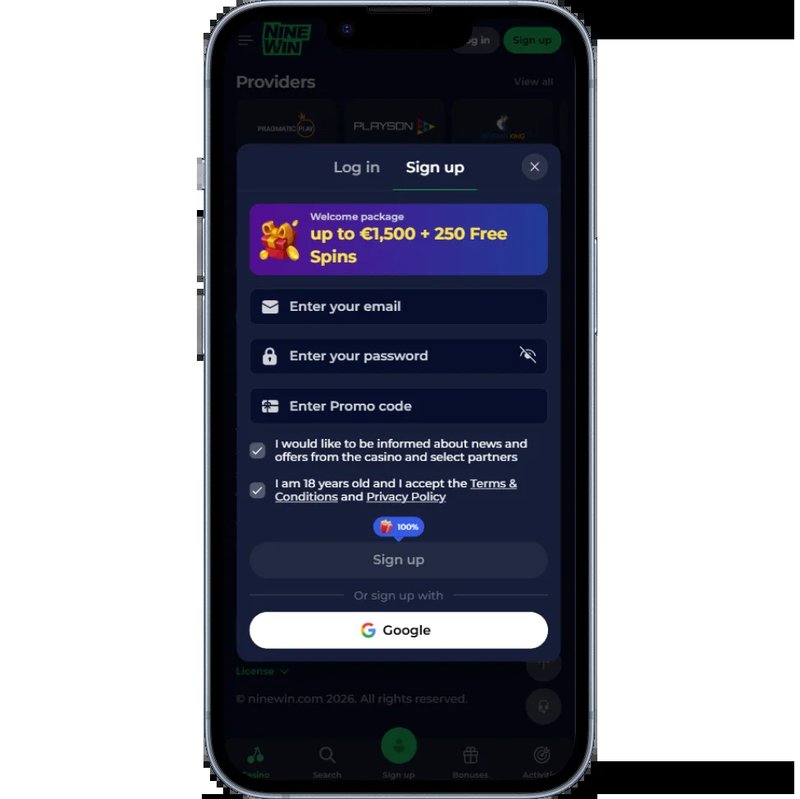
While many see mobile gaming as a pastime, it also serves as a gateway to other forms of digital entertainment. For instance, the social dynamics in multiplayer titles often lead players to explore streaming platforms, watch e‑sports tournaments, or even try their hand at online casino games. A casual mention of “ninewin” in a chat can spark curiosity, prompting a friend to check out a new online venue for a different kind of social play.
For those interested, a quick look at ninewin reveals a range of options.
Practical Downsides: When Connectivity Becomes a Crutch
Not every impact is positive. Rural areas of Scotland and Wales still struggle with 4G coverage, meaning some players experience lag that disrupts coordination. A 2022 survey of 2,300 UK gamers reported that 19 % had abandoned a game session because of unstable connections, often feeling excluded from the group.
Moreover, the ease of joining a game can blur work‑life boundaries. One respondent admitted to answering a work email during a “quick match,” only to miss a deadline. The constant ping of notifications makes it easy to overcommit, especially for those who treat mobile gaming as a primary social outlet.
Future Outlook: What to Expect in the Next Five Years
Developers are already experimenting with augmented reality (AR) overlays that blend physical surroundings with game elements. Imagine meeting a friend at a café, pointing your phone at a table, and seeing a shared puzzle appear on the surface. Such features could further dissolve the line between offline and online interaction.
At the same time, regulators are tightening rules around data privacy, which could affect how games collect and share social data. Players should stay aware of permission prompts and consider using separate accounts for gaming and personal messaging.
Takeaway: Mobile Gaming as a Social Tool
For many UK residents, the smartphone has become a portable social hub. It enables spontaneous collaboration, nurtures deeper friendships, and even nudges users toward broader entertainment ecosystems. The key is to balance the convenience with awareness of connectivity limits and personal boundaries. When used mindfully, mobile gaming is not just a distraction—it’s a redefinition of how we connect in the digital age.